Electronic monitoring for parole, bail and police supervision
A 24-hour control room, curfew and zone rules checked every minute, tamper alarms, two-way call through the tag, case management and evidence a court can verify. The data stays in Malaysia, and the maps run inside the platform.
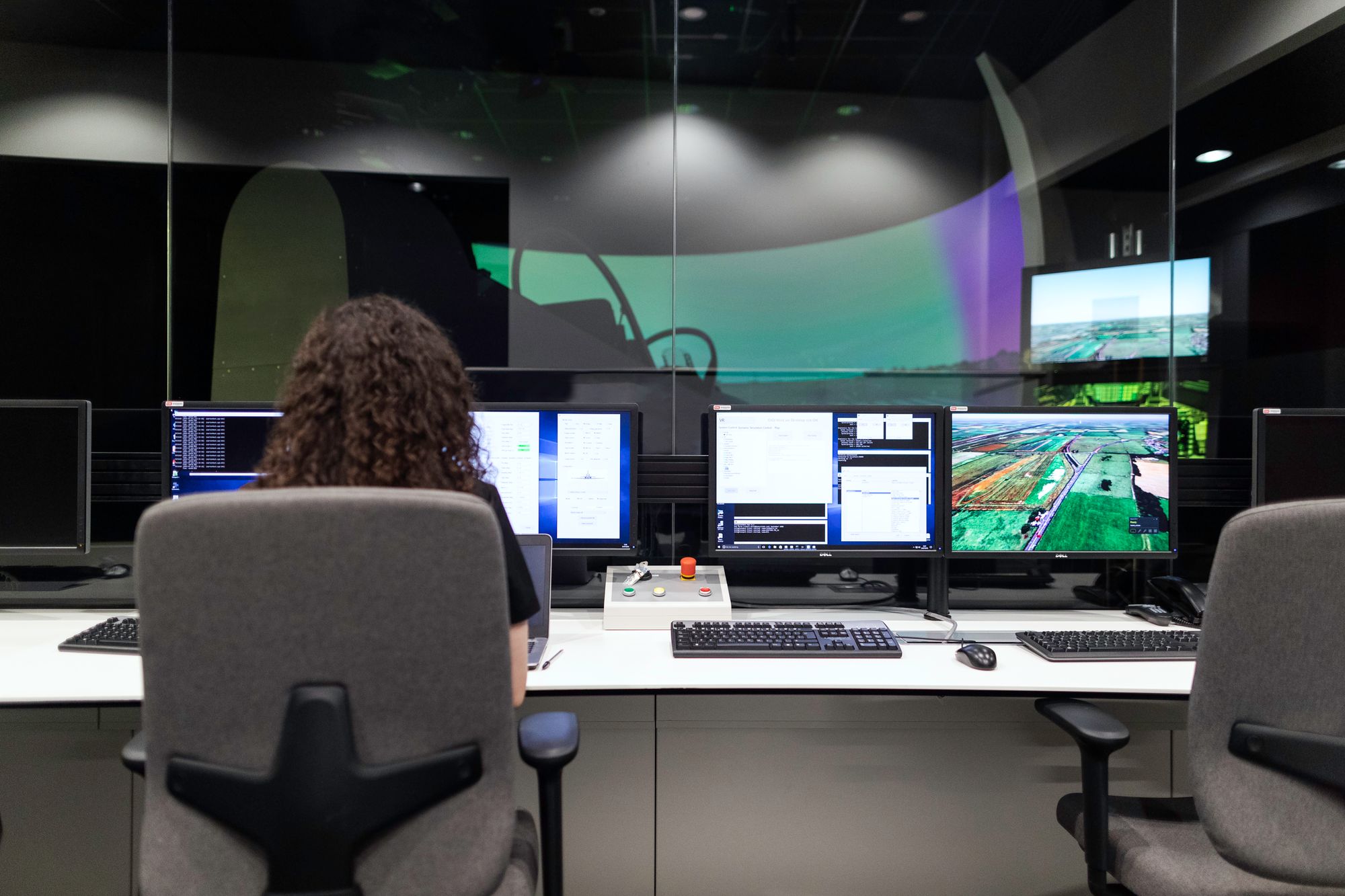
- Watched around the clock
- One alarm queue and one live map in a 24-hour control room.
- Alarms the moment it happens
- A cut strap, a breach of curfew or a zone entered.
- Evidence a court can check
- Signed, with a verification code on every document.
- Kept in Malaysia
- In the agency's own data centre or a Malaysian government cloud.
From the fitting to the courtroom
Six features on one monitoring platform, for the control room, case officers, enrolment teams and the courts.
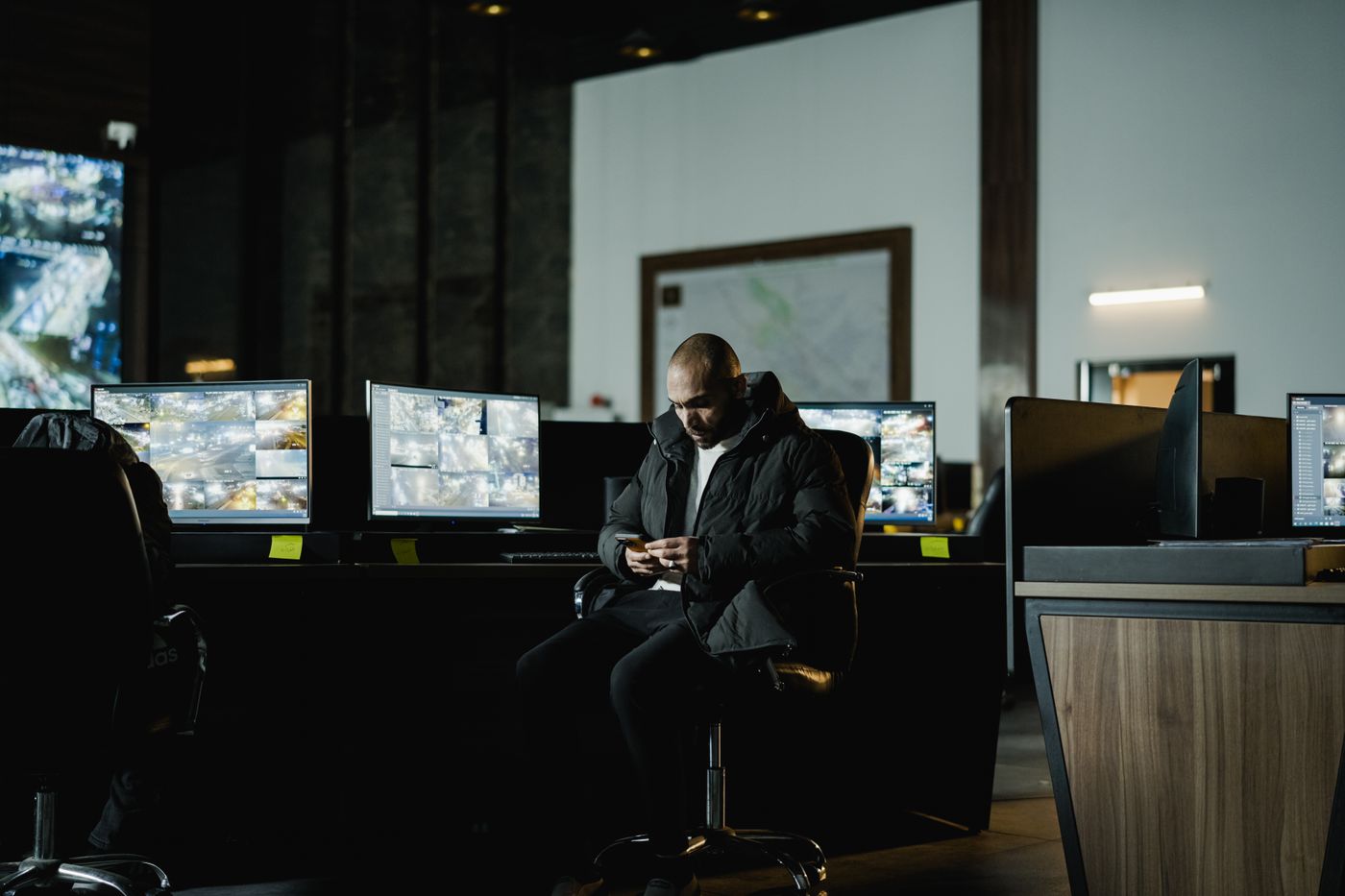
- The control roomThe alarm queue, the live map wall and the shift handover.
- Alarms and responseTamper, battery, SOS and breach alarms, each to a playbook.
- Curfew and zone rulesCurfew at home, exclusion and inclusion zones, and their schedules.
- Case managementThe caseload, the order, compliance and the contact log.
- Enrolment and devicesEnrolment, fitting, the home beacon, stock and repairs.
- Court evidenceSigned evidence documents and the court's own portal.
A day in the control room on asasii emd
From a fitting in the morning to a breach report ready for court the next day.
- 09:00
A new order
A court places a person on bail with monitoring. The order sets the home address, a curfew from 10 pm to 6 am and one exclusion zone.
- 10:30
Enrolment
The enrolment officer registers the person, fits and locks the tag, installs the home beacon and confirms the first good fix before the person leaves.
- 14:10
Low battery
A tag on another case reports a low battery. The person is reminded by SMS, and the alarm closes when charging starts.
- 19:00
Shift handover
The day supervisor hands over two open alarms and one escalation, and the night supervisor accepts them on the record.
- 22:14
Curfew breach
A person is not home at the start of curfew. The beacon, the home Wi-Fi and the position all agree, and a High alarm opens.
- 22:16
A call through the tag
The operator calls the wearer through the tag. He is ten minutes away, on his way home from work, and the call is logged.
- 22:31
Home
The beacon sees the tag again. The operator resolves the alarm with a reason and escalates it to the case officer for the morning.
- Next day
A breach report
The case officer requests a breach report. It comes back signed, with a verification code, ready for the court.
Who it's for
Each agency sees only its own people, cases, devices and staff, on one national platform.

Prison Department
Parole and licensed release, with the conditions checked every minute.
Courts
Bail with monitoring, compliance summaries and verifiable evidence.

Police Department
Supervision orders, zones and response requests to the field.

Control rooms
The alarm queue, the map wall, the playbook and the handover.
A platform the agency owns, not a vendor portal
Tags usually come with the maker's own tracking portal. asasii emd replaces it with a platform built for Malaysian agencies, run in the agency's own environment.
| Topic | A device maker's portal | asasii emd |
|---|---|---|
| Where the data lives | The maker's cloud, often abroad | The agency's own data centre or a Malaysian government cloud |
| The maps | An outside map service sees every position | Self-hosted maps, so no position leaves the platform |
| The devices | One maker's tags only | Several models through one gateway, and more added later |
| Agencies | One account, shared | Each agency sees only its own people, cases and staff |
| Evidence | Screenshots and exported spreadsheets | Signed documents with a verification code |
Security and Malaysian compliance
The questions agencies, auditors and the courts ask, answered by the platform as it runs.
Security and data overview- Data kept in Malaysia
- In the agency's own data centre or a Malaysian government cloud, never a device maker's cloud.
- Self-hosted maps
- Map tiles served from inside the platform, so no position goes to an outside map service.
- Every view audited
- Each view of a person's location and every export written to the audit trail.
- Agencies kept apart
- Each agency sees only its own people, cases, devices and staff.
- Two-person removal
- Removing a device before the order ends needs a second person to approve.
- Training kept apart
- A training mode with its own data, deleted after seven days.

Installed and maintained by idataraya
asasii emd runs in the agency's own data centre or a Malaysian government cloud, with its own device gateway and its own maps. idataraya installs it and keeps it current, and the agency holds the keys, the backups and the data.
- Monitoring of the platform and the device gateway
- Firmware rollouts for the devices, in stages
- Releases, patches and incident response
- Changes as orders, playbooks and policy move
Questions agencies ask
About the devices, the alarms, the evidence and where the data lives.
Which devices does it work with?
Ankle tags, wrist or ankle bracelets, home beacons and power banks. Each model reports to the platform's own gateway, which turns its messages into one event model, so a new model can be added without changing the rest of the platform. The devices report to the agency's platform, never to a maker's portal.
What happens when a strap is cut?
The strap carries steel and optical fibre, so cutting it or releasing the lock raises a Critical alarm at once. The operator sees it at the top of the queue with the last position, calls the wearer through the tag and follows the agency's playbook. The tag cannot be switched off by the wearer, and positions are stored on it without signal and sent when signal returns.
How is curfew checked indoors, where GPS is weak?
From three signals together: the home beacon, the home Wi-Fi registered on the device and the position. A weak fix indoors does not raise a breach on its own, and leaving home does. Curfew hours can differ by day of the week.
How does a court check a breach report?
Every evidence document is signed by the issuing officer and carries a hash of its contents and a verification code. Anyone holding the printout can check the code against the platform and see whether it matches what was issued.
Can one agency see another agency's cases?
No. Each agency sees only its own people, cases, devices and staff. The only thing that crosses agency lines is a police response request, and it carries only what the responder needs: who, where, the alarm and a photo.
What happens when staff move posts?
Permissions belong to the post, not the person. The replacement takes over the post, its caseload and its permissions with a handover, so nothing has to be granted again and nothing is left with someone who has moved on.
Where does the data live?
In Malaysia, in the agency's own data centre or a Malaysian government cloud. The devices report to the platform's own gateway, and the maps are served from inside the platform, so no position goes to a device maker's cloud or an outside map service. Every view of a person's location and every export is written to the audit trail.
What does the yearly agreement cover?
Releases, patches, device firmware rollouts, the customisations made for you, monitoring, severity-based response and restoration targets, and the changes needed as orders and policy move. Hosting stays with the agency, and the platform belongs to it.