How asasii emd works
Devices report to the platform's own gateway in Malaysia, and the control room, case officers, responders and the courts each work on their own screen.
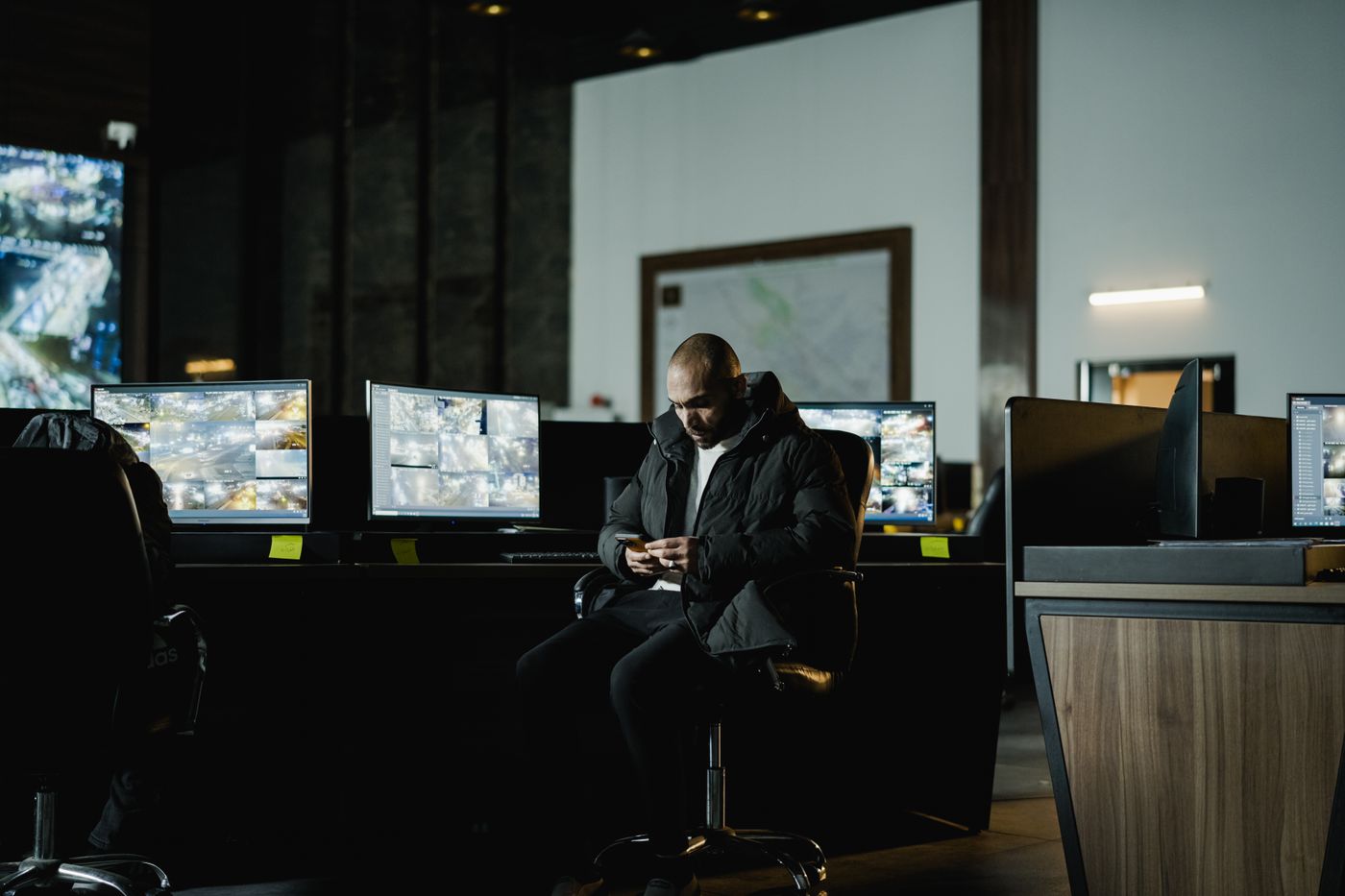
A day in the control room on asasii emd
From a fitting in the morning to a breach report ready for court the next day.
- 09:00
A new order
A court places a person on bail with monitoring. The order sets the home address, a curfew from 10 pm to 6 am and one exclusion zone.
- 10:30
Enrolment
The enrolment officer registers the person, fits and locks the tag, installs the home beacon and confirms the first good fix before the person leaves.
- 14:10
Low battery
A tag on another case reports a low battery. The person is reminded by SMS, and the alarm closes when charging starts.
- 19:00
Shift handover
The day supervisor hands over two open alarms and one escalation, and the night supervisor accepts them on the record.
- 22:14
Curfew breach
A person is not home at the start of curfew. The beacon, the home Wi-Fi and the position all agree, and a High alarm opens.
- 22:16
A call through the tag
The operator calls the wearer through the tag. He is ten minutes away, on his way home from work, and the call is logged.
- 22:31
Home
The beacon sees the tag again. The operator resolves the alarm with a reason and escalates it to the case officer for the morning.
- Next day
A breach report
The case officer requests a breach report. It comes back signed, with a verification code, ready for the court.
Who it's for
Each agency sees only its own people, cases, devices and staff, on one national platform.

Prison Department
Parole and licensed release, with the conditions checked every minute.

Courts
Bail with monitoring, compliance summaries and verifiable evidence.

Police Department
Supervision orders, zones and response requests to the field.

Control rooms
The alarm queue, the map wall, the playbook and the handover.
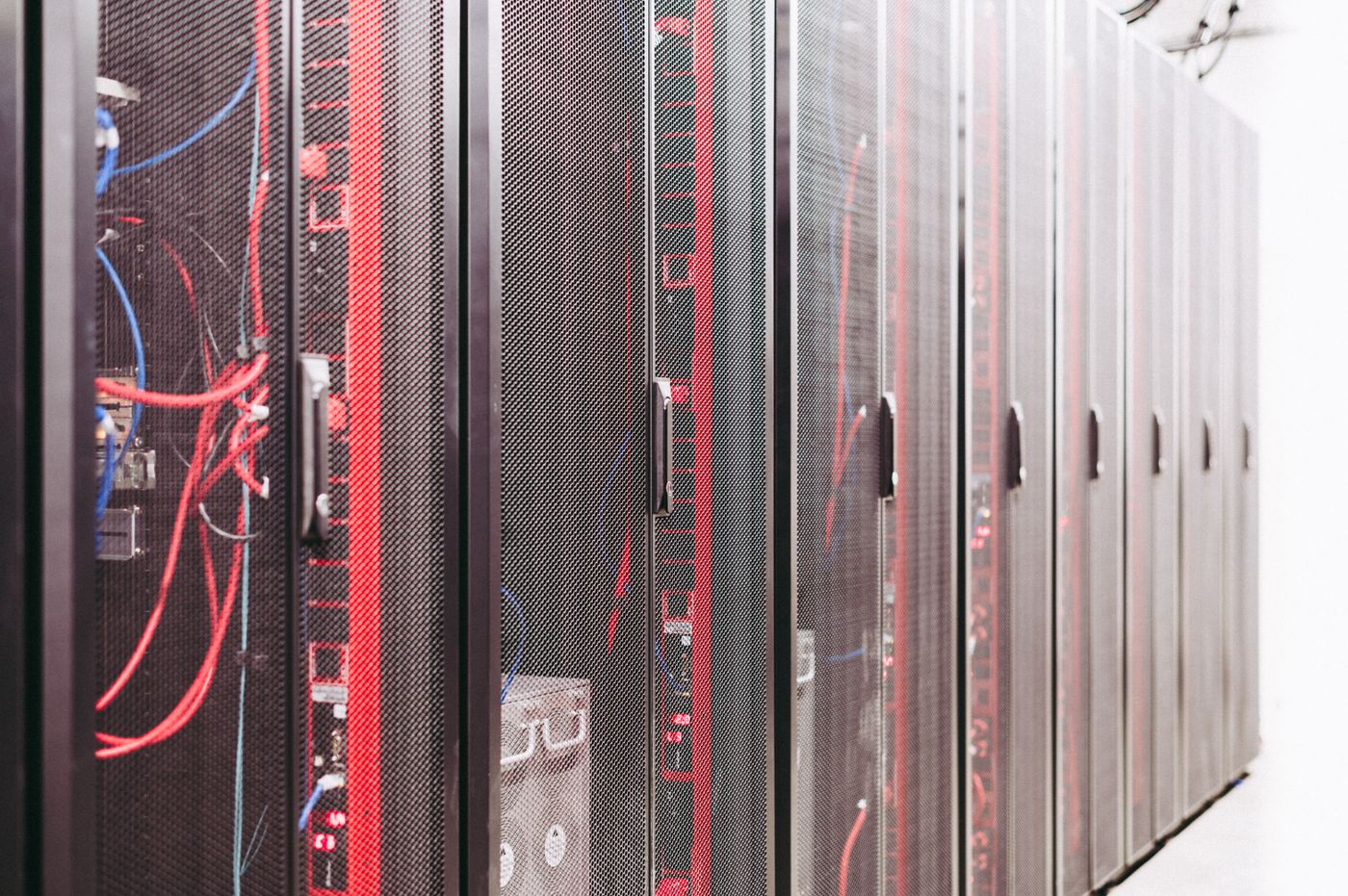
Where it runs
In the agency's own data centre or a Malaysian government cloud. Tags, bracelets and beacons report over the mobile network to the platform's own gateway, never to a device maker's portal, and the gateway turns every model's messages into one event model. Maps are served from inside the platform, so no position goes to an outside map service. idataraya installs it, hardens it and keeps it current, and the agency's team holds the keys, the backups and the data.
Everything is in English: the screens, the evidence documents, and the letters and SMS to the people on monitoring. A training mode keeps its own data apart from live cases and deletes it after seven days. A documented API lets the agency's other systems read what they are allowed to.
Our servicesSee it on your own cases
Send us the orders your agency places on monitoring, how many people are on monitoring or expected to be, and how alarms are handled today. An engineer replies with a pilot plan, a deployment plan and a proposal.